
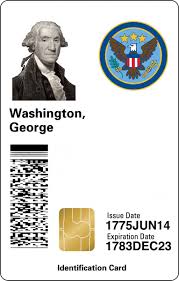
DoD CAC Issuance, Revocation, and Appeal Rights (HSPD-12 / DoDI 5200.46)
A Clear, Accurate Explanation — Including When DOHA Applies
The Common Access Card (CAC) is governed by Homeland Security Presidential Directive-12 (HSPD-12) and DoD Instruction 5200.46. Although CAC issues are often confused with security-clearance matters, they are legally distinct, governed by different authorities, and—critically—provide different appeal rights depending on the person’s status and the type of adverse action.
This page explains, accurately and in plain language:
- When a CAC may be denied or revoked
- What appeal rights exist
- When a contractor has the right to appeal to DOHA
- When DOHA does not apply
CAC Credentialing Is Not a Security Clearance Decision
A CAC authorizes physical and logical access to DoD installations and information systems. It does not determine eligibility to access classified information.
Key distinctions:
- Security clearances are governed by Executive Order 12968 and SEAD-4 and are adjudicated through formal clearance processes, including hearings before the Defense Office of Hearings and Appeals (DOHA).
- CAC credentialing is governed by DoDI 5200.46 and implemented under HSPD-12 by individual DoD Components.
A person may retain a valid security clearance and still lose CAC access, and vice-versa.
What Can Trigger CAC Denial or Revocation
Under DoDI 5200.46, CAC action may be taken based on “unfavorable information.” This can include:
- Arrests or pending criminal charges (even without conviction)
- Allegations of misconduct
- Misuse of government systems or access
- Suitability or trustworthiness concerns
The standard is risk-based, not punitive. However, CAC actions are frequently taken quickly and without full consideration of mitigation.
Letters of Denial (LOD) and Letters of Revocation (LOR)
When a CAC is denied or revoked, the individual should receive written notice, often styled as a:
- Letter of Denial (LOD) (most common for new applicants), or
- Letter of Revocation (LOR) (for existing CAC holders)
These notices generally:
- Identify the basis for the action
- Provide an opportunity to submit a written response
- Describe the applicable appeal process
Appeal Rights Depend on Status and Type of Action
1. New Applicants (Denial of Initial CAC Issuance)
For new civilian or contractor applicants who are denied a CAC, DoDI 5200.46 provides for an internal appeal, typically to a three-member board designated by the Component. This process is paper-based and does not involve DOHA.
2. Existing Contractor Employees (CAC Revocation)
For existing contractor employees whose CAC has been revoked, the rules are different.
Under DoDI 5200.46 and the implementing regulations in 32 C.F.R., contractor employees may appeal a CAC revocation to the Defense Office of Hearings and Appeals (DOHA), in accordance with the administrative process set out in DoD Directive 5220.6 (the Defense Industrial Personnel Security Clearance Review Program).
This is the source of the often-quoted policy language stating that contractor CAC revocations may be appealed to DOHA.
What that means in practice:
- DOHA does have a defined role in contractor CAC revocation appeals
- The appeal uses procedures adapted from DoD Directive 5220.6 (e.g., written submissions and, in some cases, a hearing before a DOHA Administrative Judge)
- This pathway applies to revocations, not initial denials
Important Limits on DOHA CAC Appeals
The DOHA appeal process does not apply where the CAC denial or revocation is based on:
- An unfavorable suitability determination under 5 C.F.R. Part 731, or
- A determination regarding eligibility for access to classified information or a sensitive national-security position, which has its own review procedures
In those situations, different statutory or regulatory appeal processes apply, and DOHA may lack jurisdiction over the CAC issue.
Property Interests and Due Process
For existing contractor employees, a revoked CAC can immediately terminate employment and contract eligibility. DoD regulations therefore recognize enhanced procedural protections, including the potential for DOHA review, in revocation cases.
While courts traditionally give the military broad discretion over installation access, regulatory appeal rights under DoDI 5200.46 and 32 C.F.R. are enforceable and should not be ignored or bypassed by contracting officers or installations.
What Adjudicators Must Consider
Under DoDI 5200.46, CAC adjudicators are required to consider:
- Nature and seriousness of the conduct
- Intent and surrounding circumstances
- Recency
- Evidence of rehabilitation and mitigation
- Overall reliability and trustworthiness
A proper CAC decision must reflect a whole-person analysis, even though the process is less formal than a clearance adjudication.
Why CAC Revocations Are Often Legally Vulnerable
CAC revocations are frequently challenged successfully because:
- Arrests are treated as guilt
- Isolated incidents are treated as patterns
- Mitigating evidence is ignored
- Decisions are conclusory or boilerplate
- Required appeal procedures are skipped
When a CAC revocation ends employment, administrative-law and due-process issues often arise.
How Korody Law Helps
Korody Law represents DoD contractors, civilians, and service members worldwide in matters involving:
- CAC denials and revocations
- HSPD-12 credentialing appeals
- DOHA CAC revocation appeals for contractors
- Written mitigation and rebuttal submissions
- Administrative and federal-court challenges when appropriate
Early legal intervention is critical.
Speak With a Lawyer About Your CAC Issue
If you have received notice that CAC may be denied or revoked—particularly if you are an existing contractor employee—your appeal rights may be far greater than you have been told.
Contact Korody Law to schedule a confidential consultation and discuss your options under HSPD-12, DoDI 5200.46, and applicable DoD regulations.