
Officer Defense • Navy Board of Inquiry • Worldwide
Navy Board of Inquiry Process (Step-by-Step)
A Navy Board of Inquiry (BOI) is the officer elimination board used when the Navy pursues involuntary separation and due process requires a hearing. The process often starts long before a BOI is scheduled—usually with a flag and formal reporting to Navy Personnel Command as outlined in MILPERSMAN 1611 series. This guide explains what typically happens, the decision points that matter, and how “show cause” works (including probationary officer written responses).
Korody Law is composed of former Navy and Marine Corps active duty judge advocates (JAG). Attorney Patrick Korody (CAPT, USNR) has more than 20 years military law experience and has represented hundreds of military officers facing BOIs. He is backed-up by Robert Crow and Jason Ayeroff, who retired at the ranks of Captain and Commander, respectively, and have represented Naval officers facing separation at every pay grade.
Call/Text: (904) 383-7261 • Jacksonville, FL • Worldwide representation
Key Definitions (Accurate & Practical)
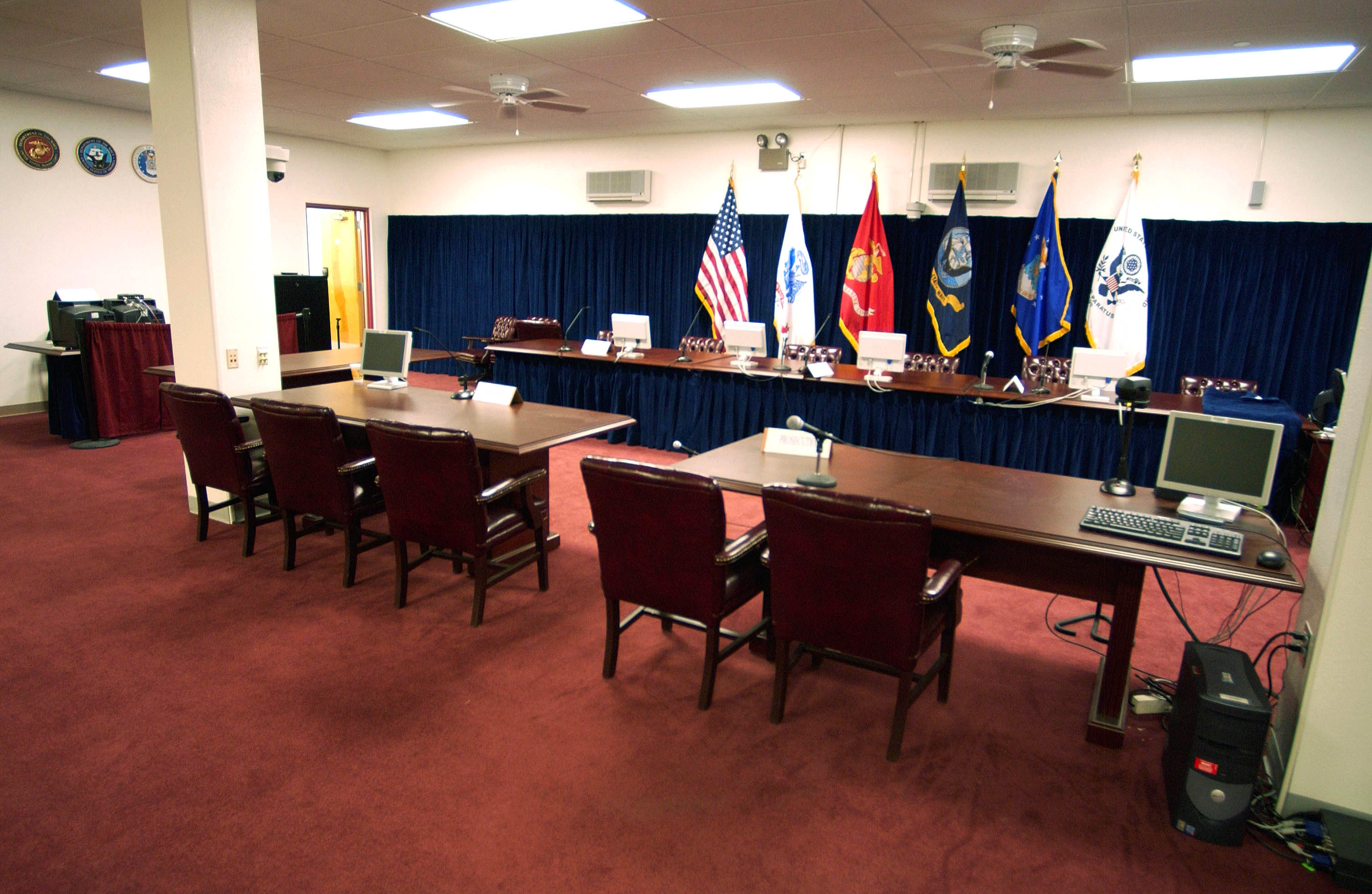
- Officer elimination board = BOI: In the Navy context, the “officer elimination board” is the BOI hearing mechanism. It is a panel of at least 3 officers who determine whether the officer committed misconduct and/or substandard performance and whether the officer should be retained or separated.
- Show cause: A show-cause determination generally means the officer has been identified for involuntary separation processing by the first flag in the chain of command or Navy Personnel Command and must appear at a BOI, resign in lieu of a BOI, or submit written matters for retention.
- Two response paths: Depending on the officer's status (probationary vs nonprobationary), the officer may be entitled to a BOI hearing or may only be able to present his/her case through written matters (commonly used for probationary officers).
Legal Framework (High Level)
Navy officer separation processing is driven by both federal statute and service regulations. Involuntary separation authority is commonly associated with 10 U.S.C. § 1182. Navy/SECNAV implementing procedures for BOIs are addressed in SECNAVINST 1920.6D and MILPERSMAN 1611 series.
This page provides general information. Your rights and deadlines depend on the controlling instruction, the notice served, and the case posture.
Navy BOI Process: The Real-World Steps
Step 1 — Flagging the Officer
For most misconduct cases, the BOI pipeline begins with a report to PERS-834 following an incident (arrest, commencement of investigation).
Once flagged, officers may experience practical effects such as restricted orders, promotion impacts, and limitations on voluntary resignation/retirement processing while the matter is open.
Defense takeaway: The “record” starts forming here. Early strategy can preserve evidence and prevent avoidable admissions long before a BOI is convened.
Step 2 — Formal Report and Officer Response Opportunity
The flag is typically addressed through a formal report. Your current page lists common report types (e.g., Report of Misconduct, Report of NJP, Final Civil Action Report, Report of Substandard Performance) and notes these are outlined in MILPERSMAN 1611-010.
Officers are generally provided a copy of the report and an opportunity to submit matters in response, including responses to endorsements.
Defense takeaway: Your response to the report can become the narrative reviewers rely on to include members of a BOI. This is often the best time to correct inaccuracies and add context and mitigation.
Step 3 — Show Cause Determination
“Show cause” is the first major decision point in the officer separation track. In plain terms: a show-cause determination generally means the Navy has decided the officer must explain why retention is warranted.
The show cause authority is commonly the first flag officer in the chain of command, with all reports being provided to PERS-834.
Critical point: “Show cause” typically means the officer has been identified for involuntary separation processing. The due-process vehicle that follows—BOI hearing vs written response—depends on the officer’s status and the case posture.
Step 4 — Directing Show Cause: BOI Hearing vs Written Matters
Once show cause has been directed, the officer will receive formal written notification from PERS-834. The officer may be offered options such as resignation/retirement (sometimes with adverse consequences) or contesting the show-cause determination by requesting a BOI or, primarily for probationary officers, by written rebuttal (notification procedures).
Non-Probationary / OTH Posture
In many cases involving non-probationary officers—or cases in which the posture calls for a board hearing—the Navy proceeds through a BOI. This is the officer elimination board hearing mechanism.
Probationary Officers
For probationary officers, the Navy often uses written notice with an opportunity to submit written matters rather than convening a BOI hearing. This written response can effectively become the core record reviewed by separation authority.
We handle both: BOI hearings and probationary officer written show-cause submissions. The format changes; the stakes do not.
Step 5 — The Board of Inquiry (BOI) Hearing
BOIs are often held within ~90 days of show cause paperwork and are convened by the appropriate regional authority, with a three-member panel senior to the respondent.
BOIs typically address: (1) whether the basis is supported; (2) whether the officer should be retained or separated (or retired if eligible); (3) characterization if separation is recommended; and in retirement-eligible cases, retirement grade recommendations.
BOIs are trial-like with relaxed evidentiary rules, documentary evidence may be admitted, and the respondent is entitled to counsel (military counsel and/or civilian counsel at personal expense).
Defense takeaway: BOIs are about the record. Treat the hearing like it will be reviewed later—and build the record accordingly.
Step 6 — Post-BOI Record and Submissions
If separation/retirement is recommended, a record of proceedings is created and the officer may submit a post-board submission directed to the appropriate separation authority (often involving ASN M&RA routing).
Post-board submissions commonly address claimed legal error, procedural deficiencies, and record-based arguments on findings, separation, and characterization.
Step 7 — Final Action and What Happens Next
Your current An officer retained at a BOI will receive a “Status in the Navy (SIN)” letter. Even though the officer is ultimately retained, “bad paper” may remain in the officer's OMPF, which may require separate record-correction action through the Board of Corrections for Naval Records.
When separation/retirement is pursued, the BOI record and any post-board submission are forwarded for final decision on separation/retirement, characterization, and (if applicable) retirement grade. :contentReference[oaicite:16]{index=16}
BOI REPRESENTATION FOR OFFICERS
FAQ
Does “show cause” always mean I will have a BOI hearing?
Not always. “Show cause” generally means you have been identified for involuntary separation processing and must respond. Depending on your status and case posture, the Navy may proceed through a BOI hearing or through written submissions (commonly used for probationary officers).
How fast does the Navy BOI process move once show cause is directed?
Timelines vary widely. Your current page notes BOIs are often convened within roughly 90 days after show cause paperwork is served, but scheduling depends on command, region, counsel availability, and case complexity.
Should I wait until a BOI is scheduled to hire counsel?
Usually no. A large portion of the “case” is built before a BOI is convened: reporting, endorsements, the investigative narrative, and early written matters. Early strategy can preserve evidence and shape the record.
Facing a Navy BOI or show cause notice? Early action can preserve options and shape the record.
Contact Korody Law for a confidential consultation regarding BOI strategy and process.
Disclaimer: This page provides general information and is not legal advice for any specific matter.